Following its successful launch in Washington, D.C., the Americas Space Forum heads to Latin America for the first time, taking place 30 November–1 December 2026 in Santiago, Chile.
Hosted at the headquarters of the Economic Commission for Latin America and the Caribbean (ECLAC) alongside the UNOOSA Regional Space Law and Sustainability Technical Advisory Mission for GRULAC, the Forum will bring together senior policymakers, space agencies, regulators, industry leaders and international organisations to explore the opportunities and challenges shaping the Americas’ rapidly evolving space sector.
Across two days, discussions will span regional cooperation, commercial growth, connectivity, Earth observation, sustainability, investment, and the intersection of space, security and defence — fostering new partnerships and helping shape the Americas’ role in the global space economy.
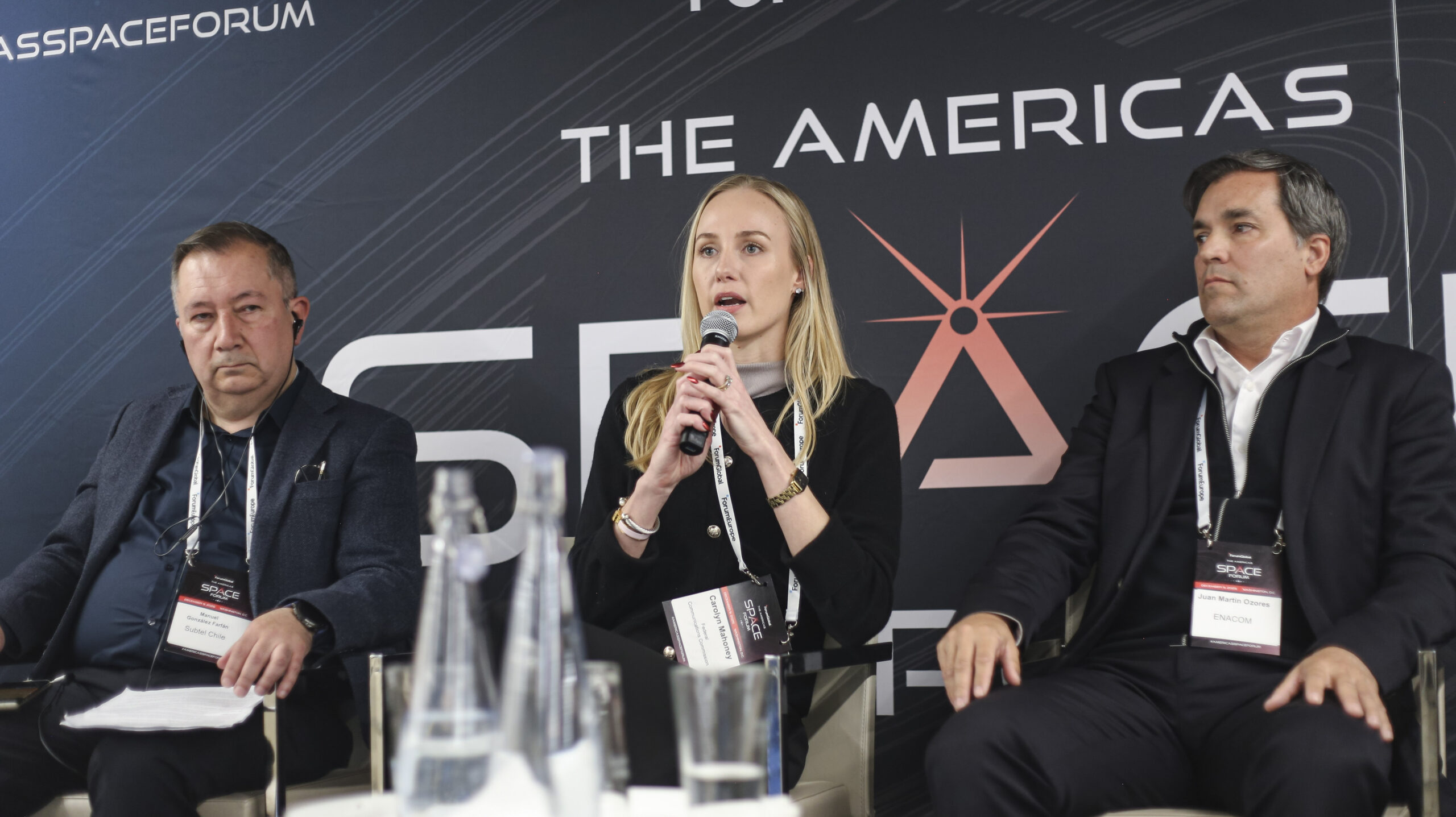
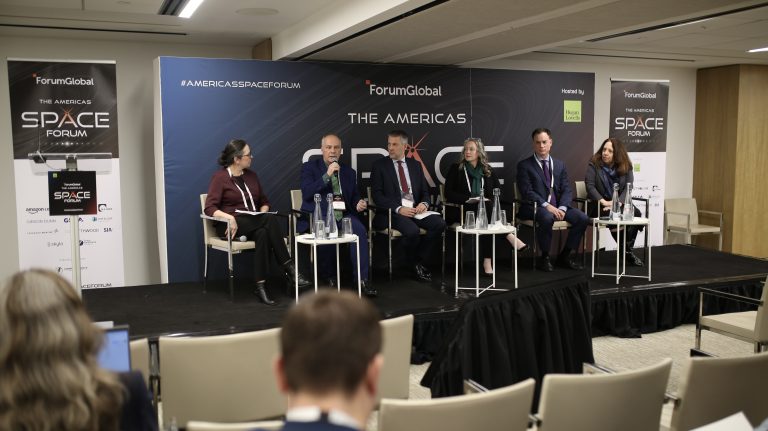
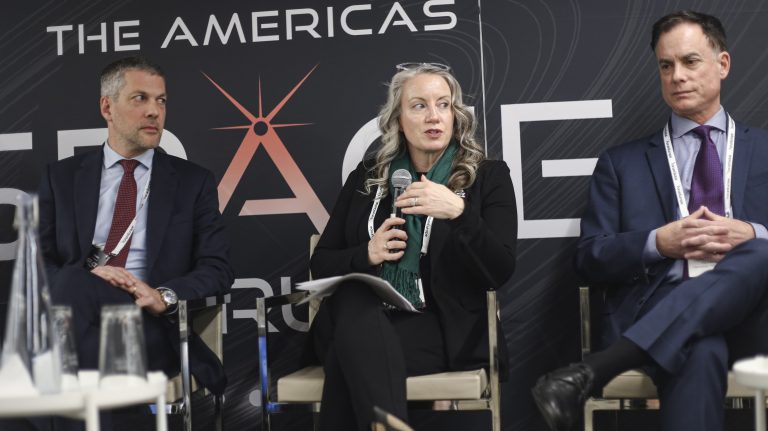
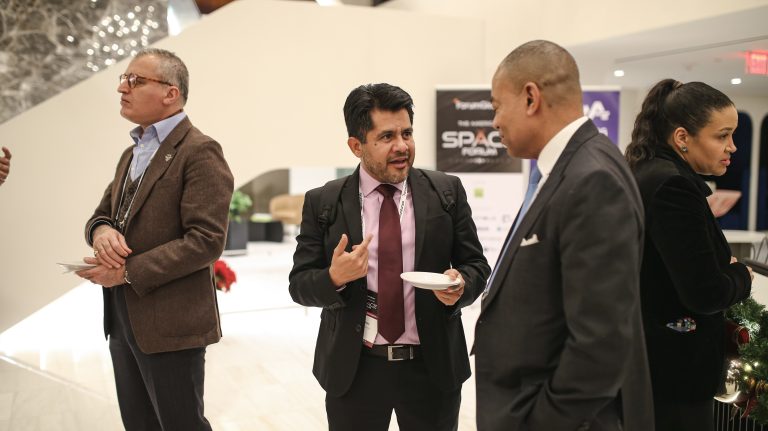
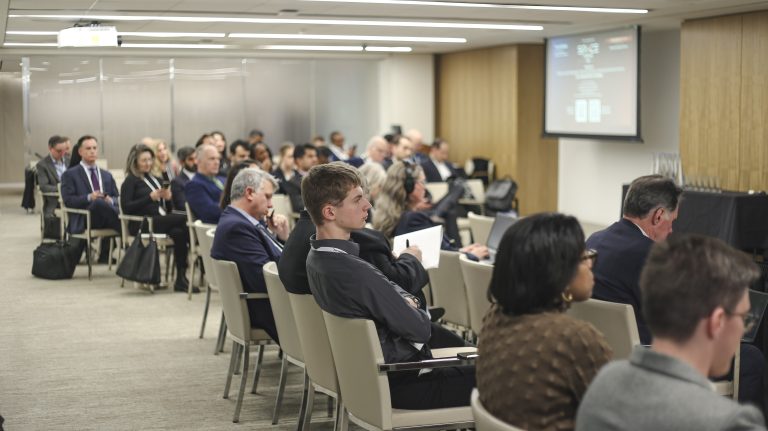
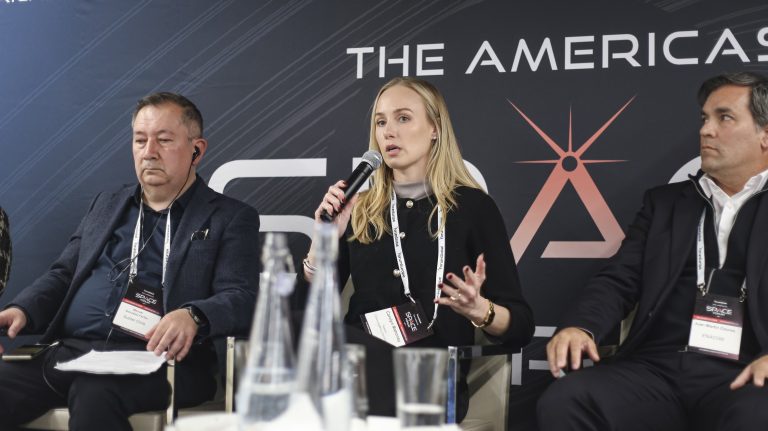
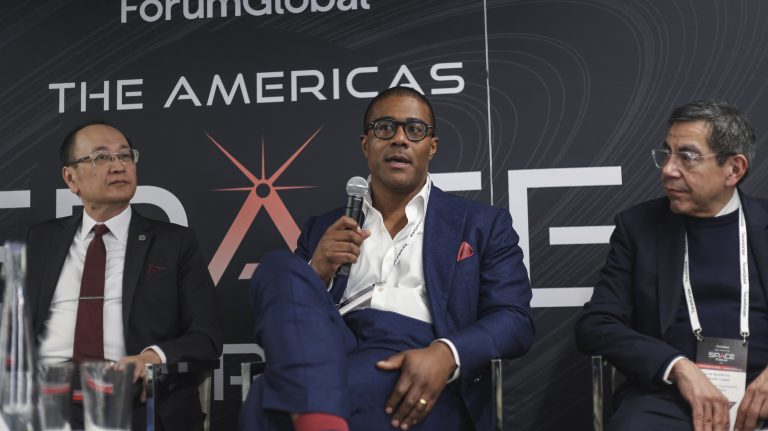
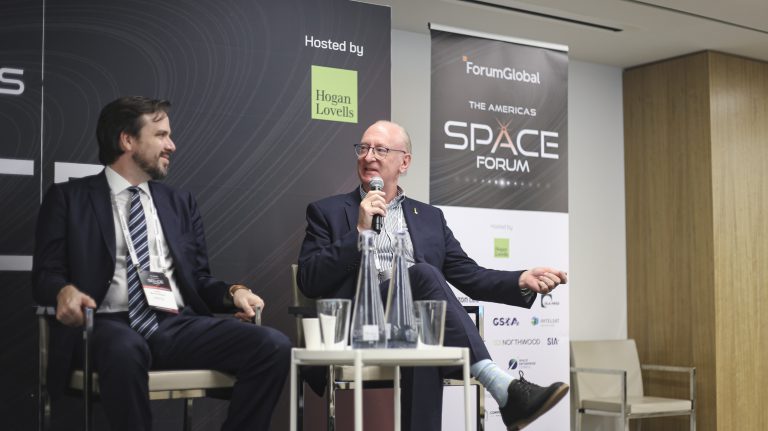
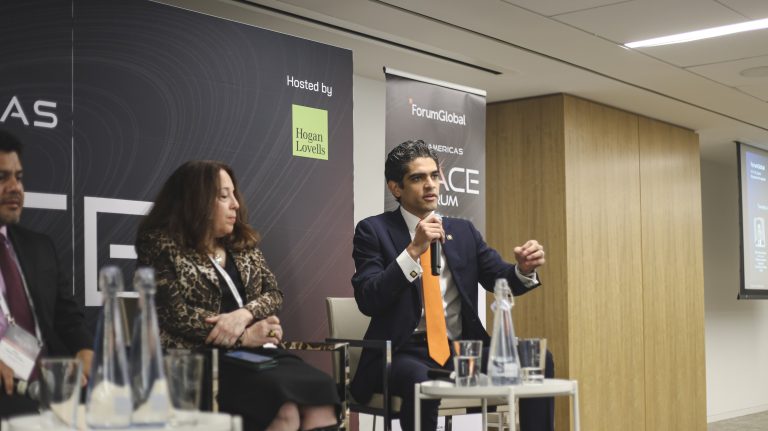
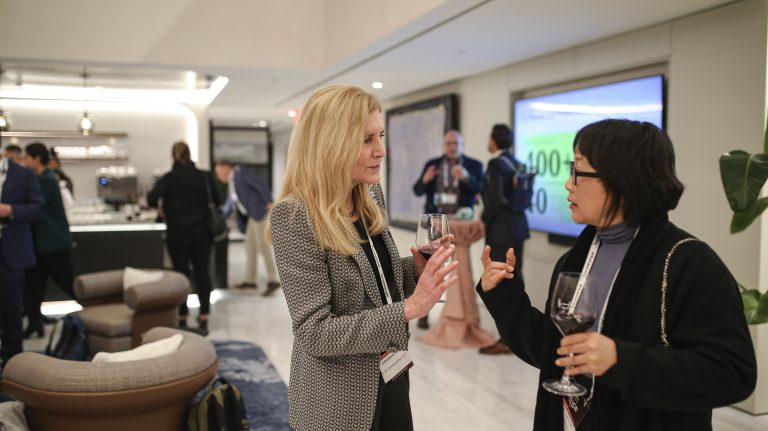
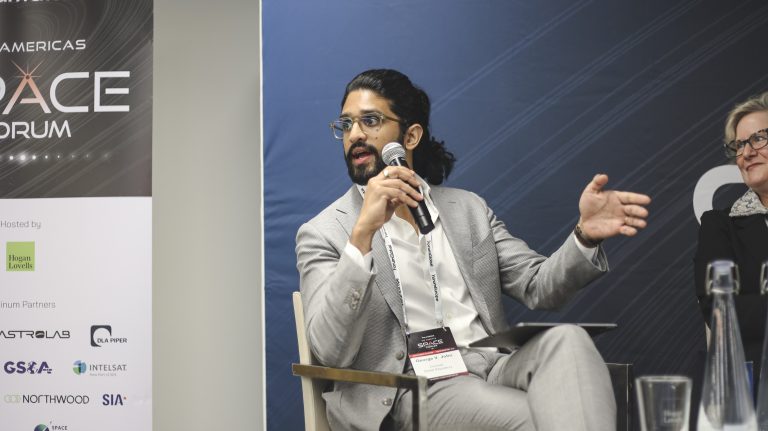
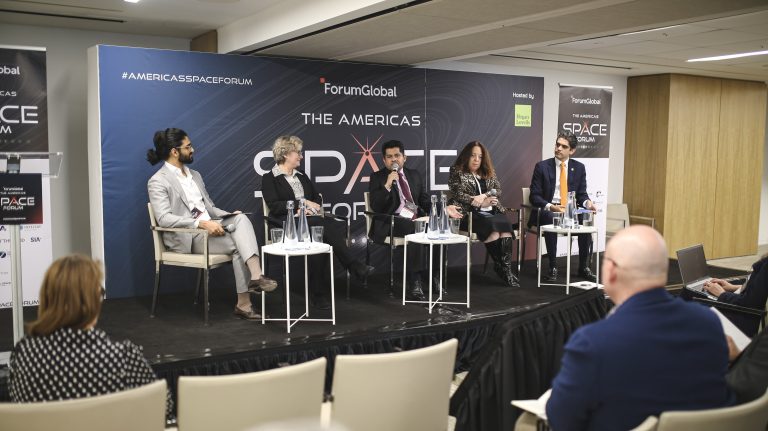
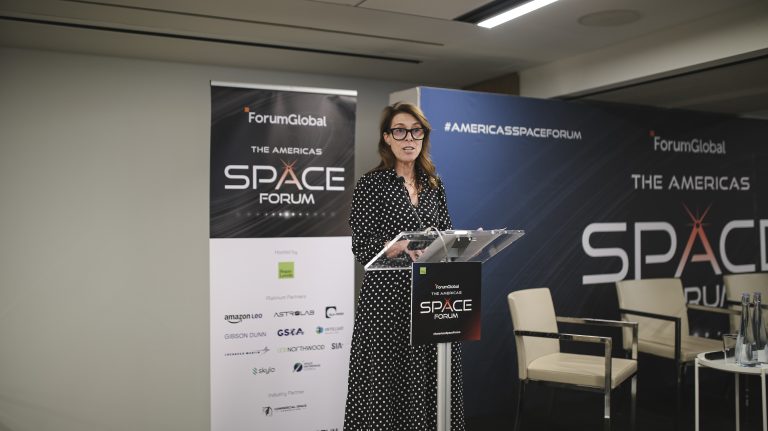
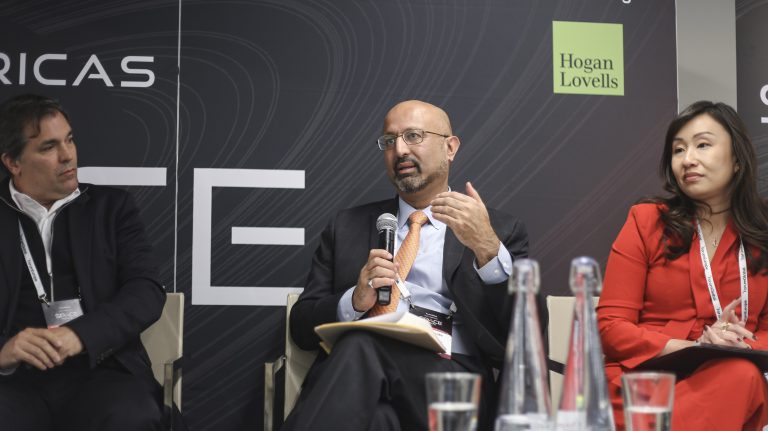
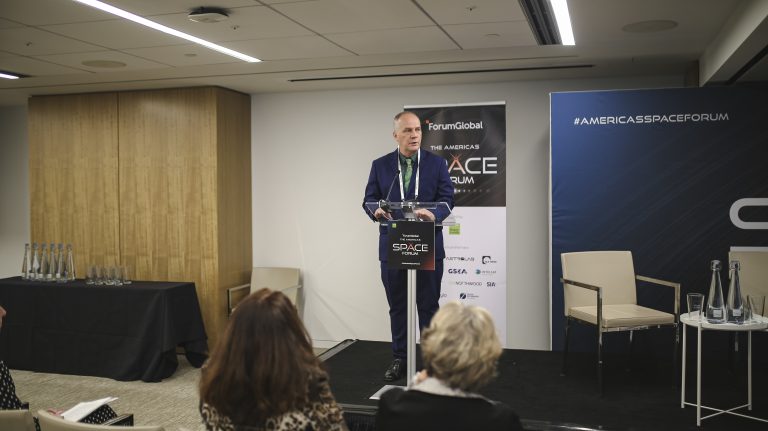
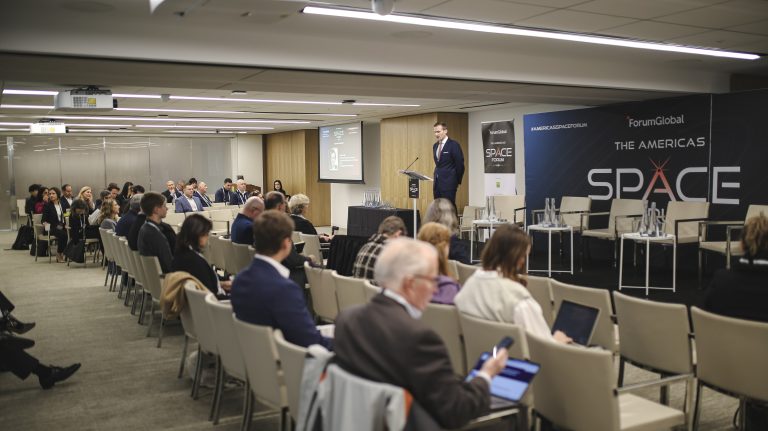
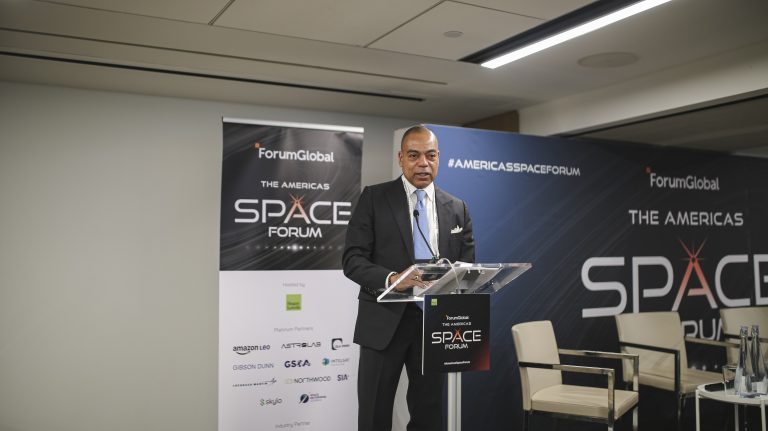
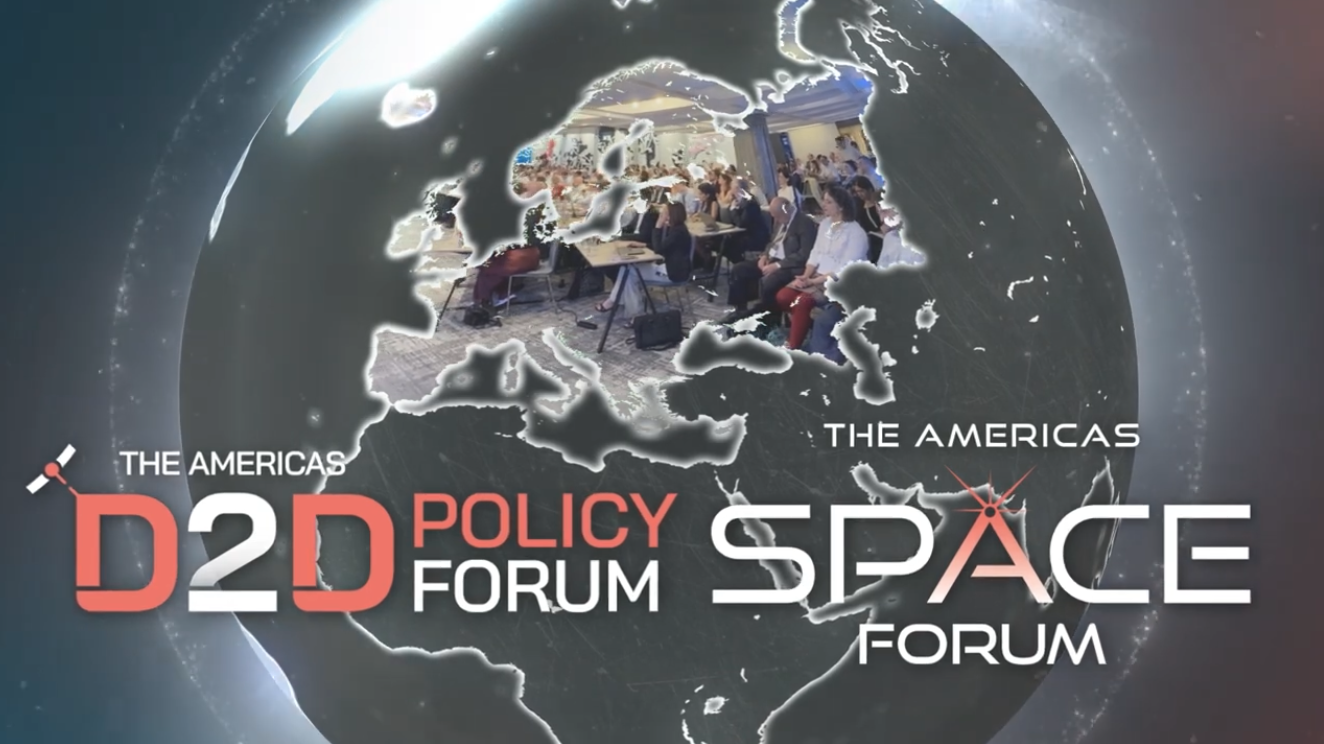
Last year’s inaugural Americas edition in Washington, D.C. brought together policymakers, regulators, industry leaders and technology experts from across the region for a day of high-level discussion, networking and collaboration.



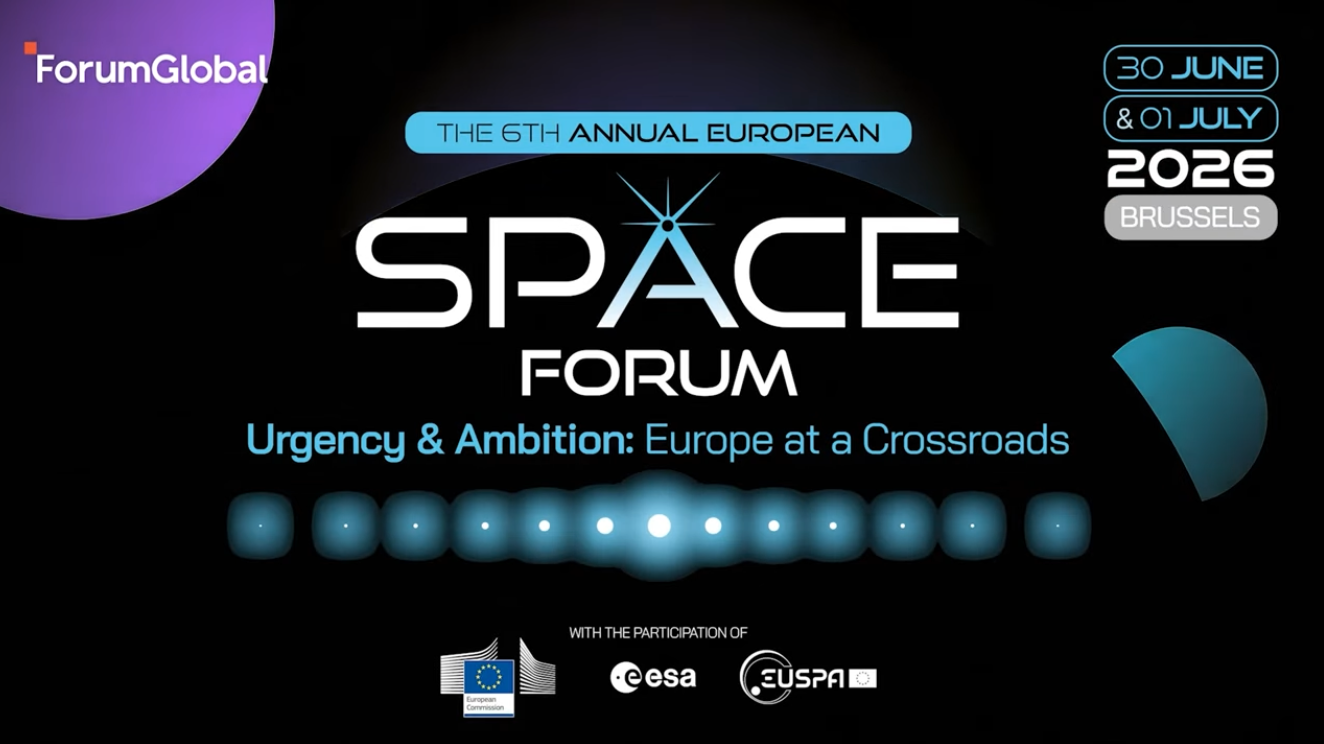
Brussels | 30 June & 01 July 2026 (Co-located with the European Space, Security and Defence Forum)
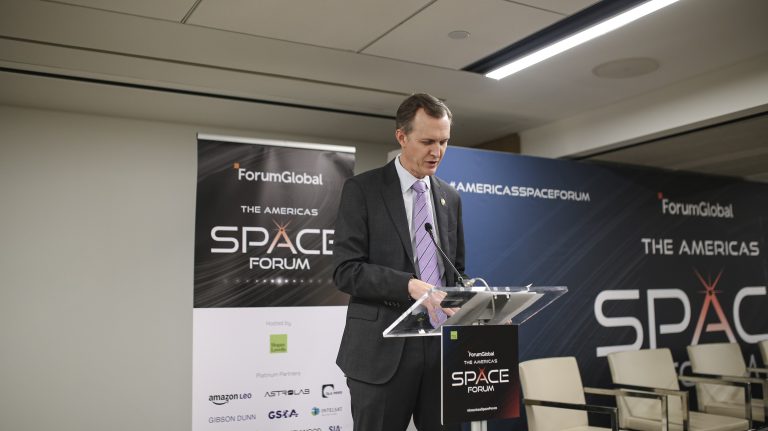
The 6th edition of the European Space Forum once again convened senior policymakers, industry leaders, and experts for two days of high-level, in-person debate at a pivotal moment for Europe’s space ambitions.
For more information and to access the event website, please visit
The 6th Annual European Space Forum

Brussels | 02 July 2026 (Co-located with the The 6th Annual European Space Forum)
The European Space Security and Defence Forum brought together key stakeholders to confront challenges such as communications and navigation to intelligence and surveillance and helped define Europe’s strategic response.
For more information and to access the event website, please visit
The European Space Security and Defence Forum
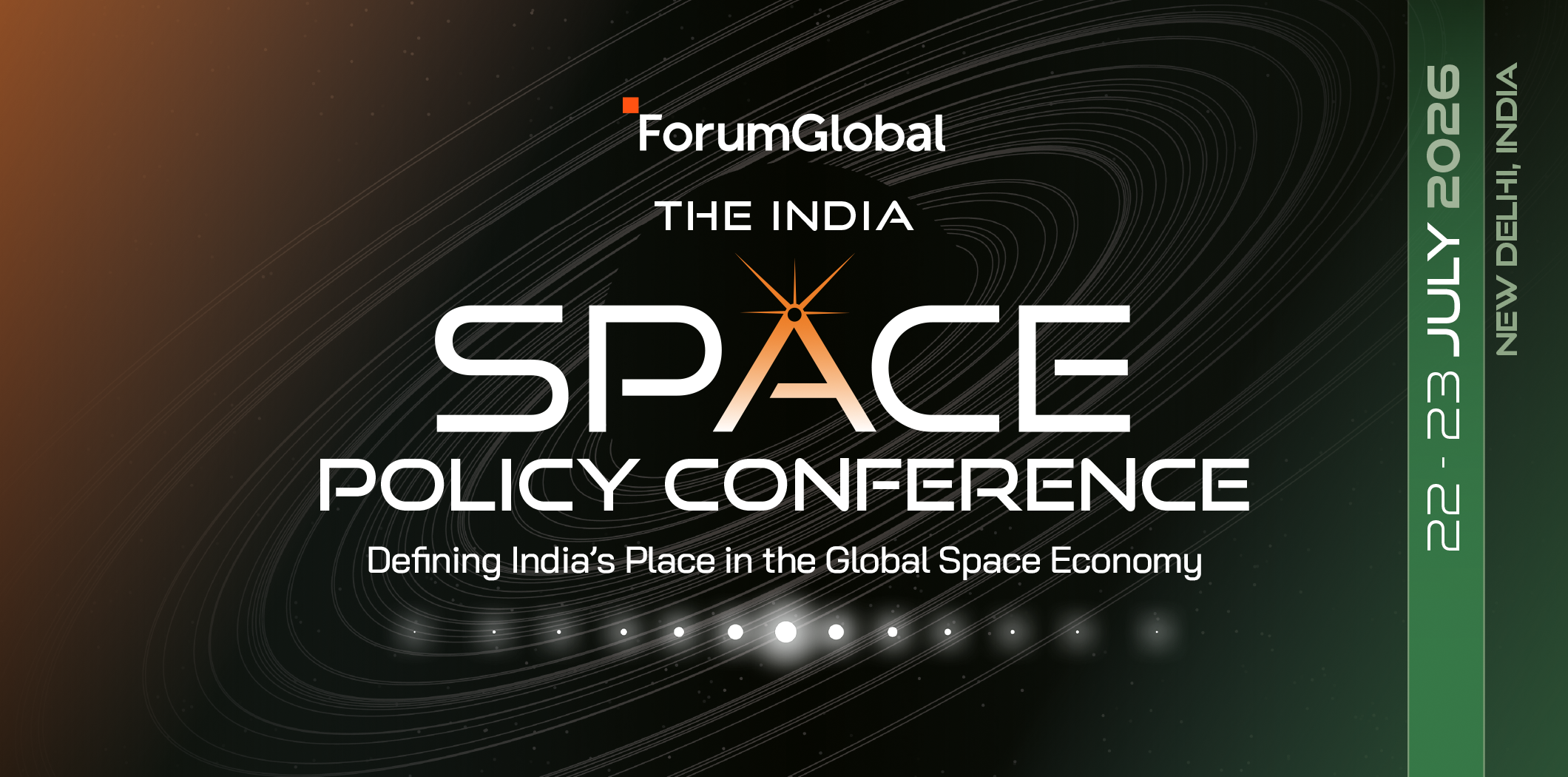
New Delhi | 22 & 23 July 2026 (Organised by the ITU-APT Foundation of India (IAFI) and Forum Global)
The 3rd India Space Policy Conference convened top policymakers, regulators, and global industry leaders at a defining moment for India’s satellite communications sector. The conference provided a platform for dialogue on spectrum, licensing, and next-generation satellite–terrestrial connectivity.
For more information and to access the event website, please visit
The 3rd India Space Policy Conference
 Aarti Holla-Maini, Director, United Nations Office for Outer Space Affairs (UNOOSA)
 UNOOSA Director, Ms. Aarti Holla-Maini, maintains responsibility for the Office’s management and administration, provides strategic guidance to its work and ensures that it is implemented in accordance with the mandates of the General Assembly, the Committee on the Peaceful Uses of Outer Space (COPUOS), and the established policies of the United Nations. She develops the work programme of the Office and ensures the Office’s efficiency, transparency and accountability.
Ms. Holla-Maini serves as the senior advisor to the Secretary-General and represents the SG at meetings and conferences on matters relating to the peaceful exploration and use of outer space. She also discharges the Secretary-General’s obligations under the UN treaties and principles on outer space.
Alongside the team in the Office of the Director, Ms. Holla-Maini oversees and coordinates the strategic direction and operational priorities of the Office, including the preparation, monitoring and implementation of the work plan, budget and the strategic framework of the Office.
Director
United Nations Office for Outer Space Affairs (UNOOSA)
 Taylor Jordan, Assistant Secretary of Commerce for Environmental Observation and Prediction National Oceanic and Atmospheric Administration (NOAA) & Director Office of Space Commerce (OSC)
 Taylor Jordan is NOAA’s Assistant Secretary of Commerce for Environmental Observation and Prediction. Mr. Jordan is responsible for the strategic direction and oversight regarding NOAA’s numerical weather prediction and environmental modeling, satellite programs and space innovation, novel data and observations, uncrewed systems, and other large acquisitions.
Mr. Jordan previously served as Principal at Innovative Federal Strategies, where he supported new partnerships for many of NOAA’s mission areas. He also served at NOAA previously as a Senior Policy Advisor and worked on the Hill for close to a decade as the lead staffer for NOAA on the U.S. House of Representatives Committee on Science, Space, and Technology, where he authored the Weather Research and Forecasting Innovation Act of 2017.
Mr. Jordan holds a bachelor’s degree from the University of North Texas and a master’s degree from Johns Hopkins University.
Assistant Secretary
National Oceanic and Atmospheric Administration (NOAA)
Director
Office of Space Commerce (OSC)
 Aaron Miles, Coordinator for Strategic Capabilities, White House Office of Science and Technology Policy (OSTP), U.S.A
 Aaron Miles is the Coordinator for Strategic Capabilities at the White House Office of Science and Technology Policy, where he leads S&T policy development and coordination across elements of space, nuclear energy, and national security. He previously served as Principal Assistant Director for National Security and International Affairs in that same office, and in senior policy advisor roles in the Department of State and the Office of the Secretary of Defense. Through his policy work and as a research physicist at Lawrence Livermore National Laboratory, Dr. Miles has engaged in a wide range of science and security topics, including nuclear weapons and deterrence, arms control, space policy, fusion and fission energy, plasma physics, astrophysics, research security, and planetary defense.
Coordinator for Strategic Capabilities
White House Office of Science and Technology Policy (OSTP), U.S.A
 Isabelle Mauro, Director General, GSOA
 Under Isabelle’s leadership, GSOA and its member CEOs lead the effort to showcase the benefits of satellite communications for a more inclusive and secure society – vital to bridging the world’s digital divide, achieving the UN’s Sustainable Development Goals and realizing the 5G ecosystem.
Isabelle has 25 years experience in the Telecoms and Technology sector, starting at the GSMA, where she was responsible for government and international Affairs. In 2015 she moved to New York to join the World Economic Forum as Head of Information, Communications and Technology Industries, managing the portfolio for 60+ Tech companies globally and leading initiatives on inclusive and sustainable digital transformation.
Isabelle is passionate about inclusion and sustainability. She is Chair of the High-Level Advisory Board of the DigitalGoesGreen Foundation. She also sits on the Advisory Board of Women in Tech and is a member of the UNESCO Advisory Group for the Declaration on Connectivity for Education.
Isabelle holds an MSc in European Politics and Policy from the London School of Economics. She is fluent in French, English, Italian and Spanish.
Director General
GSOA
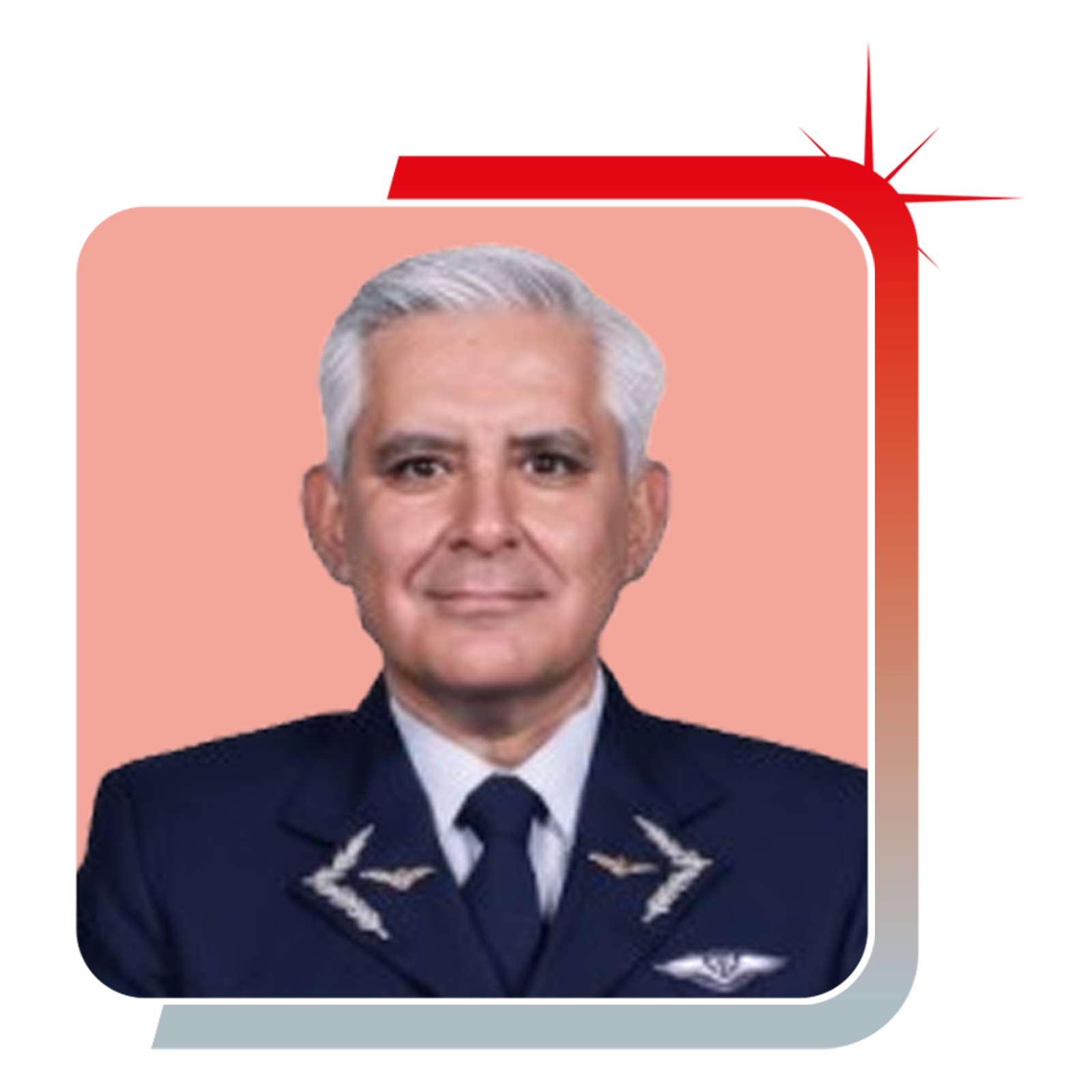 Major General Christian Stuardo Núñez, Space Director, Chilean Air Force (FACh)
 Bio available here shortly.
Space Director
Chilean Air Force (FACh)
 Daniel Manouchehri Lobos, Deputy, National Congress of Chile & President, Committee on the Future, Science, Technology, Knowledge, and Innovation
 Bio available here soon.
Deputy
National Congress of Chile
President
Committee on the Future, Science, Technology, Knowledge, and Innovation
 Rojo Edwards, Senator and President of the Senate Committee on Future Challenges, Science, Technology and Innovation, Senate of Chile
 Rojo Edwards nació el 15 de julio de 1977 en Chicago, Estados Unidos. Es hijo de José Manuel Edwards y Virginia Silva. Está casado con Maribel Florez y es padre de tres hijos: Joaquín, Manuel y Julieta.
Realizó sus estudios primarios y secundarios en el Colegio Apoquindo, del que egresó en 1995. Al año siguiente, continuó sus estudios en la Escuela de Ingeniería de la Pontificia Universidad Católica de Chile, de la que egresó en 2000 como Ingeniero Civil en Industrias, con mención en Transporte.
Entre 2005 y 2007, cursó un master en Políticas Públicas en la Escuela de Gobierno John F. Kennedy de la Universidad de Harvard, donde obtuvo la beca Catherine B. Reynolds Fellowship para Emprendimiento Social.
En el ámbito profesional, entre 1997 y 1998, participó como cofundador de “2000 mediaguas para el 2000”, iniciativa antecesora de Un Techo Para Chile.
Entre 2003 y 2004 se desempeñó en la AFP Cuprum como analista de inversiones. Ese último año se reintegró a Un Techo Para Chile como director de Construcciones.
Desde 2007, y hasta 2009, trabajó en el Banco Interamericano de Desarrollo (BID), en Washington DC, como oficial asociado de inversiones para el financiamiento de grandes proyectos de infraestructura en latinoamérica.
El senador Edwards ingresó en política en su época universitaria como presidente del Centro de Alumnos de Ingeniería (CAI), en 1999. Más tarde, en 2001, fue vicepresidente de la Federación de Estudiantes de la Universidad Católica (FEUC) y, paralelamente, fundó el grupo “Opción Independiente” de la UC.
En febrero de 2009 ingresó a Renovación Nacional (RN). Asimismo, formó parte del organismo Independientes en red. El 30 de septiembre de 2016 presentó su renuncia a la militancia en RN. Posteriormente, en diciembre de 2017, se reincorpora a su antigua tienda política.
Fue diputado por Renovación Nacional en representación del distrito Nº 51 de la región de La Araucanía, durante dos periodos consecutivos entre 2010 y 2018.
En las elecciones parlamentarias de 2017 presentó su candidatura independiente a senador por la 11a Circunscripción, región de La Araucanía, periodo 2018-2026. No fue electo.
En junio de 2019 participó en la fundación del Partido Republicano de Chile, asumiendo como director ejecutivo del Centro de Estudios de Ideas Republicanas (CEIR). Presentó su renuncia a RN el 19 de junio del mismo año.
En las primeras elecciones de gobernadores regionales, realizadas el 15 y 16 de mayo de 2021, compitió como candidato a gobernador de la región Metropolitana de Santiago, por el Partido Republicano, sin ser electo.
En agosto de 2021 inscribe su candidatura al Senado, y es electo por la 7a Circunscripción, región Metropolitana, por el periodo 2022-2030.
El 7 de enero de 2022, la Comisión Política del Partido Republicano lo eligió presidente de la colectividad, y renunció a ese cargo el 7 de septiembre del mismo año. Al año siguiente confirmó su renuncia al Partido Republicano, con el fin de formar una nueva agrupación.
En el Senado ha integrado las comisiones permanentes de Gobierno, Descentralización y Regionalización y Relaciones Exteriores, entre otras.
En la actualidad preside la comisión permanente de Economía.
Senator and President of the Senate Committee on Future Challenges, Science, Technology and Innovation
Senate of Chile
 Stephen Duall, Deputy Chief, Space Bureau, Federal Communications Commission (FCC), U.S.A
 Stephen Duall is the Associate Chief of the FCC’s new Space Bureau. Stephen joined the FCC in 2001 as an attorney advisor in the Satellite Policy Branch of the International Bureau’s Satellite Division. From 2008 until 2020, he was Chief of the Satellite Policy Branch. From 2020 to 2023, he served as an attorney in the FCC’s Office of General Counsel.
Prior to joining the Commission he was an associate in a D.C. law firm working on behalf of satellite and competitive local telephone service providers. He earned his law degree from the George Washington University and bachelor’s degree from Georgetown University.
Deputy Chief, Space Bureau
Federal Communications Commission (FCC), U.S.A
 Yurii Diudin, Ambassador Extraordinary and Plenipotentiary, Ukraine to the Republic of Chile
 Bio available here soon.
Ambassador Extraordinary and Plenipotentiary
Ukraine to the Republic of Chile
 Christian Salazar Volkmann, Resident Coordinator Chile, United Nations
 Mr. Christian Salazar Volkmann, a German and Ecuadorian citizen, has a long and distinguished international career at the United Nations, with expertise in development,
humanitarian affairs, citizen security and human rights, particularly in Middle Income countries.
He worked as Director for Field Operations and Technical Cooperation of OHCHR in Geneva and as DCOs Regional Director for Latin America and the Caribbean in Panama, supporting the development of new UN Cooperation Frameworks in many countries of the region and partnerships with regional institutions, such as the ECLAC. He strongly engaged in all aspects of UN. reform, whether in the region or globally and was responsible for technical coordination of the UNs global socio-economic response plan to COVID.
Before that, he was posted as UN Resident Coordinator and UNDP Representative in El Salvador and Belize. He also held the position of Deputy Director, Program Division at UNICEF HQ in New York.
Earlier, Mr. Salazar was OHCHRs Representative in Colombia and worked as UNICEF Representative/Deputy Representative in Iran, Vietnam and Guatemala as well as Deputy Executive Director of the German Committee for UNICEF in Cologne. He also served as Senior Advisor on Youth for the German Agency for Technical Cooperation GIZ.
Mr. Salazar Volkmann has obtained a PhD in Political Sciences at Marburg University and a M.A. in Communications, Economics and Philosophy at the Ruhr-University Bochum. He has been invited as Research Fellow by Harvard Law School and held guest lectures at The New School University, at New York University (NYU) and at Harvard’s FXB Center for Health and Human Rights. He is married and has four children.
Resident Coordinator Chile
United Nations
 Lubia Vinhas, Head, Director's Office, National Institute for Space Research (INPE), Brazil
 Bio available shortly.
Head, Director's Office
National Institute for Space Research (INPE), Brazil
 Gerardo Martinez Cruz, Executive Director of Institutional Coordination, Telecommunications Regulatory Commission (CRT), Mexico
 Gerardo Martínez Cruz es Ingeniero en Telecomunicaciones por la Universidad Nacional Autónoma de México (UNAM), especialista en política pública, regulación e innovación tecnológica. Actualmente se desempeña como Director Ejecutivo de Coordinación Institucional en la Comisión Reguladora de Telecomunicaciones (CRT) de México, donde participa en la coordinación de proyectos estratégicos relacionados con espectro radioeléctrico, 5G, conectividad, infraestructura digital y regulación de telecomunicaciones.
Es Maestro en Inteligencia Artificial y Gestión de la Innovación por Bologna Business School, en Italia, y Maestro en Derecho de las Tecnologías de la Información y Comunicación por INFOTEC. A lo largo de su trayectoria profesional ha trabajado en el diseño y análisis de políticas públicas sobre 5G, inteligencia artificial, ciberseguridad, neutralidad de la red y transformación digital.
Gerardo Martínez Cruz is a Telecommunications Engineer from the National Autonomous University of Mexico (UNAM), specializing in public policy, regulation, and technological innovation. He currently serves as Executive Director for Institutional Coordination at Mexico’s Telecommunications Regulatory Commission (CRT), where he contributes to the coordination of strategic initiatives related to spectrum policy, 5G, connectivity, digital infrastructure, and telecommunications regulation.
He holds a Master’s degree in Artificial Intelligence and Innovation Management from Bologna Business School in Italy, as well as a Master’s degree in Information and Communication Technologies Law from INFOTEC. Throughout his career, he has worked on the development and analysis of public policies related to 5G, artificial intelligence, cybersecurity, net neutrality, and digital transformation.
Executive Director of Institutional Coordination
Telecommunications Regulatory Commission (CRT), Mexico
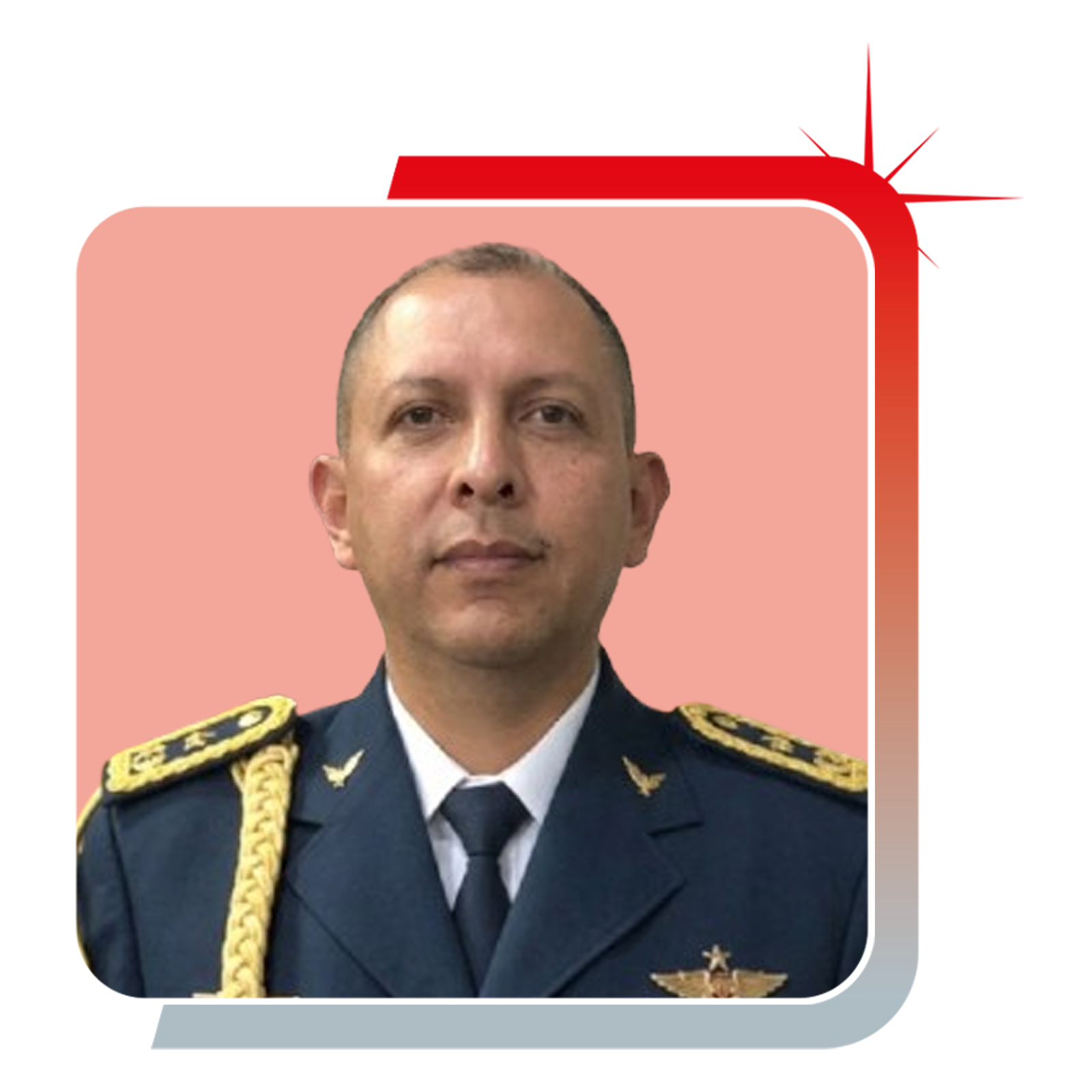 Lieutenant Colonel Patricio Javier Aguilar Cazar, Advisor on Air and Space Affairs, Ministry of Foreign Affairs of Ecuador, Ecuadorian Air Force (FAE)
 El Teniente Coronel Patricio Javier Aguilar Cázar es Oficial de Defensa Aérea de la Fuerza Aérea Ecuatoriana (FAE), jurista especializado en Derecho y Política Espacial, y actual Presidente de la Red Latinoamericana y Caribeña del Espacio (Capítulo Ecuador). En el ámbito gubernamental y diplomático, se desempeña como Asesor en temas Aéreos y Espaciales del Ministerio de Relaciones Exteriores y ha representado a Ecuador ante la Subcomisión de Asuntos Jurídicos de la COPUOS de las Naciones Unidas. A lo largo de su trayectoria, ha liderado iniciativas estratégicas como la Ley y Estrategia de Seguridad Aeroespacial Nacional, además de desempeñarse como director jurídico en el Instituto Espacial Ecuatoriano. Es autor de diversas publicaciones indexadas y libros sobre doctrina, soberanía y regulación espacial.
Advisor on Air and Space Affairs
Ministry of Foreign Affairs of Ecuador, Ecuadorian Air Force (FAE)
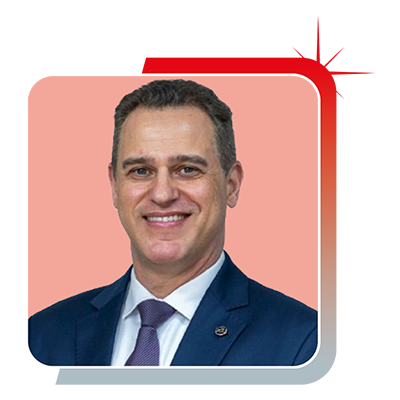 an Grosner, Head, Legal Services Department, Brazilian Space Agency (AEB)
 Ian Grosner is a federal attorney in Brazil. Since 2022, he has been serving as a Legal Counsel and Head of the Legal Services department at the Brazilian Space Agency (AEB), based at its headquarters in Brasilia, Brazil.
Mr. Grosner has a Law bachelor degree from the Law School of Centro Universitário de Brasilia – UniCEUB (1997) and a Post-Graduate degree in Public Law at the University of Brasilia – UNB (2012-2014). He also has a master degree (LL.M.) from the University of Leiden (The Netherlands) in Air & Space Law (2017-2018). He studied at International Space University (ISU) during the Space Studies Program 2022 (SSP). He was Vice-President of the Chair of Air & Space Law from the Bar Association of the Federal District in Brazil (2019-2022). He is also a member of the Space Law Group (NEDE) of the Brazilian Air and Space Law Association (SBDA) and a member of the space law and policy research group at the Catholic University of Santos (Brazil). In 2019-2020 he was a member of the Working Group 12 of the Brazilian Commission for Space Activities, which developed a draft bill of the Brazilian national space law. He has created, coordinated and mediated the first and second Space Law Seminars at the Brazilian Bar Association (OAB) in 2020 and 2021. He is a founding member of IASS – International Academy of Space Studies. He idealized, organized and formulated the first Brazil’s Post-Graduation Course in Space Law and Policy at the Catholic University of Santos (Brazil), where he is a visiting Professor (Space Law). Since 2021, he has been a full member of the International Institute of Space Law – IISL. Since 2022, he has been a member of the IAF Administrative Committee for Connecting Emerging Space ecoSystems (ACCESS) and the IAF LAC-SC (IAF Latin-America and the Caribbean Subcommittee). In March 2023, he was appointed and elected chair of the Working Group on the Definition and Delimitation of Outer Space of the Legal Subcommittee of the Committee on the Peaceful Uses of Outer Space (COPUOS). In December 2023, he was appointed Head of AEB’s Legal Department.
Head, Legal Services Department
Brazilian Space Agency (AEB)
 Patricio G. Carrasco Álvarez, Head, R&D&I and Defense Industry Department, Ministry of National Defense, Chile; Technical Secretary, Space Policy Council; & Chair, Space Executive Committee, Presidential Advisory Commission on Space Matters
 Patricio Germán Carrasco Álvarez es Ingeniero Politécnico Militar y actualmente se desempeña como Jefe del Departamento de Investigación, Desarrollo, Innovación e Industria de Defensa de la Subsecretaría de Defensa del Ministerio de Defensa Nacional de Chile, donde participa en materias vinculadas a las políticas sectoriales, la innovación, el desarrollo tecnológico y la industria de defensa.
En el ámbito espacial, ejerce como Secretario Técnico del Consejo de Política Espacial y Presidente del Comité Ejecutivo Espacial, desempeñando un rol de coordinación y articulación entre las instituciones que participan en la gobernanza espacial de Chile. Desde estas responsabilidades, contribuye al desarrollo y seguimiento de la Política Nacional Espacial, así como al fortalecimiento de la cooperación y la vinculación internacional del país en materia espacial.
En el ámbito de la cooperación internacional, es Coordinador del Subcomité Espacial Chile–Estados Unidos, una instancia orientada a facilitar la cooperación bilateral en políticas, estrategias, formación, operaciones, programas y actividades espaciales relacionadas con la defensa.
Asimismo, ha integrado en diversas ocasiones la delegación de Chile ante la Comisión de las Naciones Unidas para el Uso Pacífico del Espacio Ultraterrestre (COPUOS) en Viena.
Su trayectoria combina experiencia en defensa, política pública, innovación y desarrollo tecnológico, industria, ciberseguridad y cooperación internacional, con una especial vinculación con los desafíos que plantea el espacio para la seguridad, la defensa y el desarrollo de capacidades estratégicas nacionales.
Head, R&D&I and Defense Industry Department; Technical Secretary, Space Policy Council; & Chair, Space Executive Committee, Presidential Advisory Commission on Space Matters
Ministry of National Defense, Chile
 Naomi Pryde, Global Co-chair, Space Exploration and Innovation, Head of Litigation and Regulatory, Scotland, DLA Piper
 Naomi focuses on complex commercial litigation and arbitration. She represents clients across a broad range of sectors and markets, including Space, Industrials, Consumer Goods, Food and Retail, Real Estate, Infrastructure, Construction and Transport, Media, Sport and Entertainment, and Energy and Natural Resources.
The majority of Naomi’s matters have an international element. She is a qualified solicitor in all four UK and Ireland jurisdictions and a Solicitor Advocate in both Scotland and England and Wales, making her “an attractive choice for cross-border mandates.”
Naomi is recognised in legal directories for both commercial and real estate litigation. She has won numerous awards and has featured in several UK-wide business talent lists alongside eminent household names. She was recognised as Scotland’s “Lawyer of the Year” in 2021 and has featured in Law.com’s list of “the UK’s top female lawyers under 40.”
Naomi heads the firm’s Litigation and Regulatory practice in Scotland and is DLA Piper’s Global Co-Chair of Space Exploration and Innovation.
Global Co-chair, Space Exploration and Innovation, Head of Litigation and Regulatory, Scotland
DLA Piper
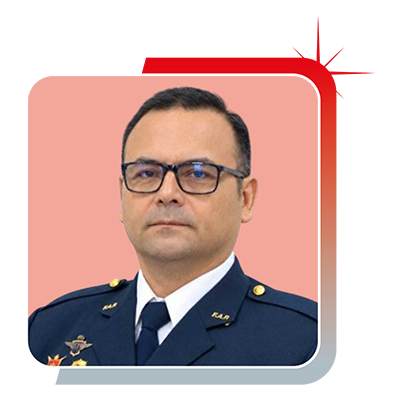 Fidel Angel Medina Rey, Legal Advisor, Peruvian Space Agency (CONIDA) & Peruvian Air Force (FAP)
 Abogado con más de 25 años de trayectoria en el servicio público militar y la actividad privada, Oficial del Cuerpo Jurídico de la Fuerza Aérea del Perú (FAP). Actualmente se desempeña como Jefe de Asesoría Jurídica de la Agencia Espacial del Perú – CONIDA (2026), tras haber ejercido funciones de asesoría legal de alta dirección, contrataciones estatales y gestión de riesgos en diversas unidades de la FAP.
Es Maestro en Derecho, mención Civil y Comercial (Universidad de San Martín de Porres), egresado de la Maestría en Administración y Gestión Pública, mención Defensa Nacional (Centro de Altos Estudios Nacionales – CAEN), y cursa el Máster en Seguridad y Defensa en la Universidad Nebrija (Madrid). Cuenta con formación en operaciones espaciales (Escuela Superior de Guerra Aérea ESFAP, 2025), Derecho Operacional, Derechos Humanos y Derecho Internacional Humanitario, incluyendo el 50° Curso de la OEA (Brasil, 2025).
Ha participado en los ejercicios multinacionales PANAMAX 2024 y Resolute Sentinel (2024 y 2025), así como en la 4th Edition of the Artemis Accords Workshop (Lima, mayo 2026). Es docente universitario y catedrático en escuelas militares y centros del MINDEF en materias de derecho, contrataciones públicas y DIH. Habla inglés y portugués a nivel avanzado.
Abogado con más de 25 años de trayectoria en el servicio público militar y la actividad privada, Oficial del Cuerpo Jurídico de la Fuerza Aérea del Perú (FAP). Actualmente se desempeña como Jefe de Asesoría Jurídica de la Agencia Espacial del Perú – CONIDA (2026), tras haber ejercido funciones de asesoría legal de alta dirección, contrataciones estatales y gestión de riesgos en diversas unidades de la FAP.
Es Maestro en Derecho, mención Civil y Comercial (Universidad de San Martín de Porres), egresado de la Maestría en Administración y Gestión Pública, mención Defensa Nacional (Centro de Altos Estudios Nacionales – CAEN), y cursa el Máster en Seguridad y Defensa en la Universidad Nebrija (Madrid). Cuenta con formación en operaciones espaciales (Escuela Superior de Guerra Aérea ESFAP, 2025), Derecho Operacional, Derechos Humanos y Derecho Internacional Humanitario, incluyendo el 50° Curso de la OEA (Brasil, 2025).
Ha participado en los ejercicios multinacionales PANAMAX 2024 y Resolute Sentinel (2024 y 2025), así como en la 4th Edition of the Artemis Accords Workshop (Lima, mayo 2026). Es docente universitario y catedrático en escuelas militares y centros del MINDEF en materias de derecho, contrataciones públicas y DIH. Habla inglés y portugués a nivel avanzado.
Legal Advisor
Peruvian Space Agency (CONIDA) & Peruvian Air Force (FAP)
 Luis Enrique Barrizonte Blanco, Head of the Department for Outer Space Activities (DAAEU) of the National Office of Hydrography and Geodesy, Cuba
 Graduado con título universitario de INGENIERO EN MEDIOS RADIOTÉCNICOS MÓVILES en el INSTITUTO TÉCNICO MILITAR, JOSÉ MARTÍ, 1989, comienza la vida laboral en la explotación de medios radioelectrónicos y en 1991 es destinado a trabajar un Centro de Investigación y Desarrollo, a partir de este momento comienza recibir cursos de posgrado para formarse como investigador, estudió Metodología de la Investigación, Diseño de Experimento, Problemas Sociales de la Ciencia y otras asignaturas que unido a su actividad científica le permitieron evaluarse hasta alcanzar la categoría de Investigador Auxiliar.
En el año 2021 se graduó de Master en Gerencia de la Ciencia e Innovación en la Universidad de la Habana.
Ha trabajado líneas investigativas como son Materiales absorbentes de ondas electromagnéticas y materiales termoaislantes.
Afínales de 2022 comienza a dirigir el Departamento de Atención al Espacio Ultraterrestre en la Oficina Nacional de Hidrografía y Geodesia de la República de Cuba.
En 2023 cursa una beca de Especialización en industria y Sistemas Aeroespaciales, en la Facultad de Ingeniería de la Universidad de Buenos Aires (UBA), la Comisión Nacional de Actividades Espaciales (CONAE), INVAP y UBATEC.
En 2026 participa en la beca UN-Portugal Outer Space Fellowship en colaboración con la Agencia Espacial Portuguesa y Oficina de Asuntos del Espacio Ultraterrestre de las Naciones Unidas (UNOOSA).
También ha sido frecuente participantes de eventos on line organizados por UNOOSA.
Head of the Department for Outer Space Activities (DAAEU)
National Office of Hydrography and Geodesy, Cuba
 Juan Cruz González Allonca, Director, Interdisciplinary Center for Space Studies (CIEE); and Former Member, Board of Directors, National Space Activities Commission (CONAE), Argentina
 Juan Cruz González Allonca holds a law degree from the University of Buenos Aires (UBA) and a master’s degree in systems engineering from the National Technological University (UTN). He is currently the Director of the Interdisciplinary Centre for Space Studies (CIEE). He is a professor and researcher at the National University of La Plata (UNLP) and the University of San Andrés (UdeSA), and has been a visiting professor at several universities abroad. He is a member of the International Institute of Space Law (IISL). He is also the Director of the Revista de Estudios Espaciales (Journal of Space Studies) and served as a member of the Board of Directors of Argentina’s National Commission on Space Activities (CONAE).
Director
Interdisciplinary Center for Space Studies (CIEE)
Former Member, Board of Directors
National Space Activities Commission (CONAE), Argentina
 Florencio Utreras, Director, CopernicusLAC Chile
 Dr. Florencio I. Utreras, Full Professor of the University of Chile was until June 2017 the Executive Director of CLARA, the Latin American Cooperation of Research Networks. Dr. Utreras graduated in Mathematical Engineering from the University of Chile in 1975 and got the Doctor of Engineering degree from Université de Grenoble, France, in 1979. Former Full Professor of the University of Chile. Before joining CLARA, Dr. Utreras was the Executive Director of REUNA (the Chilean Research Network which he contributed to create) since 1992 and previously he had been full professor of Applied Mathematics of the University of Chile in Santiago and Visiting Professor at several universities and research centres in Europe (France, Italy) and the United States. Dr. Utreras has been involved in Research Networking since 1987 and has been awarded several national and international prizes for his contribution to the dissemination of Internet technology and research networking, in particular the prestigious induction into the Internet Hall of Fame from ISOC in September 2017. He has been the Director of the EuropeAid funded ALICE2 Project from 2008 to 2012 to deploy broadband networks for research in Latin America. He has also been the Coordinator of the EU funded projects ELCIRA, MAGIC and has also participated in several other FP7 Projects, such as EVALSO, ELLA and others. Until June 2017, he was also co-Chair of the BELLA Consortium aiming at establishing a new submarine telecommunications infrastructure connecting directly Europe and Latin America as well as deploying a terrestrial optical fibre infrastructure to increase broadband Access to the LA Research and Education community.
Since 2018, Prof. Utreras has been the Coordinator of the Copernicus Project of the University of Chile at the Center for Mathematical Modelling of Faculty of Physical and Mathematical Sciences (www.cmm.uchile.cl). From this position he leads the Copernicus Relay Chile Alliance and the Copernicus Repository that the University maintains for the benefit of the country and the region. His dissemination work through seminars, talks and workshops in this area has favoured the penetration of Copernicus in Chile. Professor Utreras is one of the leaders of the Geomatics Laboratory at CMM, where numerous projects for the use of Copernicus satellite images for both the public and private sectorsare being developed. Since March 2023, Prof. Utreras is the Director of the newly created Copernicus Regional Center for Latin America and the Caribbean (CopernicusLAC Chile), a project funded by the European Commission (DG INTPA).
Director
CopernicusLAC Chile
 Brian Weeden, Director of Civil and Commercial Policy, Aerospace Center for Space Policy and Strategy
 Dr. Brian Weeden is a director of civil and commercial policy for the Center for Space Policy and Strategy at The Aerospace Corporation, where he serves as a senior analyst and team leader on topics that cut across policy, technology, and economics. A highly respected and connected professional with more than two decades of experience in space operations and space policy analysis, Weeden specializes in the integration and advancement of technical, policy, legal, security, commercial, and international aspects of space activities.
Weeden is a former member and chair of the World Economic Forum’s Council on the Future of Space Technologies, a former member of the Advisory Committee on Commercial Remote Sensing (ACCRES) to the National Oceanic and Atmospheric Administration (NOAA), and the former executive director of the Consortium for Execution of Rendezvous and Servicing Operations (CONFERS).
Prior to joining Aerospace, Weeden was the chief program officer for Secure World Foundation, where he directed strategic planning for future-year projects to meet the Foundation’s goals and objectives and conducted research on space sustainability issues. Weeden also served nine years on active duty as an officer in the United States Air Force in space and intercontinental ballistic missile (ICBM) operations.
Weeden’s research and analysis have been featured in The New York Times, The Washington Post, National Public Radio, USA Today, The BBC, Fox News, China Radio International, The Economist, the 54th Annual Meeting of The World Economic Forum in Davos-Klosters, Switzerland, academic journals, presentations to the United Nations, and testimony before the U.S. Congress.
Weeden earned a bachelor’s degree in electrical engineering from Clarkson University, a master’s degree in space studies from the University of North Dakota, and a doctorate in public policy and administration from The George Washington University in the field of science and technology policy.
Director of Civil and Commercial Policy
Aerospace Center for Space Policy and Strategy
 Loreto Moraga, President of the Chilean Space Association, Chilean Space Association (ACHIDE)
 Lawyer, University of Chile; Master of Laws in Business Law, Universidad del Desarrollo; Managing Director of Moraga Contracts & Corporate; President of the Chilean Space Association (ACHIDE); President of the Chilean Vertical Aviation Association (ACHAV); Member of the Chilean Institute of Aeronautical and Space Law (IDAE).
Between 1996 and 2007, she was an associate lawyer and Head of the Corporate Services Department at Estudio Carvallo, a firm specializing in Aeronautical and Insurance Law. In 2007, she began her independent practice, establishing the firm “Moraga Contracts & Corporate”, which advises aircraft manufacturers and operators, suppliers of goods and services to the mining industry, and engineering services companies. In 2008, she participated in the creation of ACHAV, joining its board of directors. In 2018, she assumed the presidency, leading the creation of the VAST Chile operational safety project in Chile and currently developing the “Advanced Air Mobility” project with the Ministry of Transport, the Ministry of Public Works, aeronautical authorities, and drone associations. During 2017, she participated in the review of space policy, was elected director in 2018, and since 2021 has served as president of the Chilean Space Association (ACHIDE), a position she holds to this day. Actually leading the creation of a Space Consortium.
_____
Abogado, Universidad de Chile, Magister en Derecho de Empresas, Universidad del Desarrollo; Managing Director de oficina Moraga Contracts & Corporate; Presidente de la Asociación Chilena del Espacio A.G. – ACHIDE; Presidente de la Asociación Chilena de Aviación Vertical A.G. – ACHAV; Miembro del Instituto Chileno de Derecho Aeronáutico y del Espacio – IDAE.
Entre los años 1996 y 2007, fue abogada asociada y Jefa de Área de Servicios Corporativos en Estudio Carvallo, firma especializada en áreas de Derecho Aeronáutico y Derecho de Seguros. A partir 2007, inicia su trabajo independiente constituyendo la firma “Moraga Contracts & Corporate” que asesora a fabricante y operadores aeronáuticos, a proveedores de bienes y servicios en la minería y a empresas de servicios de ingeniería. El año 2008 participa en la creación de ACHAV integrándose a su directorio y a partir del año 2018 asume la presidencia, liderando la creación en Chile del proyecto de seguridad operacional VAST Chile y actualmente desarrollando el proyecto “Advance Air Mobility” con el Ministerio de Transporte, Ministerio de Obras Públicas, Autoridades Aeronáuticas y asociaciones de drones. Durante el año 2017 participa en la revisión de la política espacial, el 2018 es elegida directora y desde el 2021 asume como presidente de la Asociación Chilena del Espacio A.G., cargo que desempeña a la fecha. Actualmente lidera la creación del Consorcio Espacial de Chile.
President
Chilean Space Association (ACHIDE)
 Luis Alberto Serrano Molinos, Lawyer, International Law Division, Directorate General for Legal Affairs, Ministry of Foreign Affairs, Chile
 Luis Serrano is an international lawyer in the General Directorate of Legal Affairs at the Chilean Ministry of Foreign Affairs, specializing in negotiations on emerging technologies, cybersecurity, and AI. He represents Chile before the COPUOS Legal Subcommittee and is the national point of contact for the United Nations Action Team on Lunar Activities Consultation (ATLAC). He teaches in the Cybersecurity Diploma Course at the University of Chile, holds an LL.M. from the University of St. Thomas School of Law (U.S.), and is a member of the EU Cybernet Expert Pool.
Lawyer, International Law Division, Directorate General for Legal Affairs
Ministry of Foreign Affairs, Chile
 Charity Weeden, Senior Nonresident Fellow, Atlantic Council's GeoTech Center
 Charity Weeden is Founder and Principal of Lquinox Global, a Washington DC boutique advisory firm building cross-border partnerships in Space, AI, Quantum, and Advanced Compute. She served as NASA’s Associate Administrator for Technology, Policy and Strategy from 2023 to 2025, advising agency leadership on decisions affecting national and international space priorities. Prior to NASA, she was Vice President for Global Space Policy at Astroscale US, running global policy campaigns to shape in-space servicing standards. Her 23-year career in the Royal Canadian Air Force culminated as an Air and Space Operations Attaché at the Canadian Embassy in Washington, DC. Weeden has an undergraduate degree in Mechanical Engineering and a Master of Science in Space Studies. She is a Senior Nonresident Fellow at the Atlantic Council GeoTech Center.
Senior Nonresident Fellow
Atlantic Council's GeoTech Center
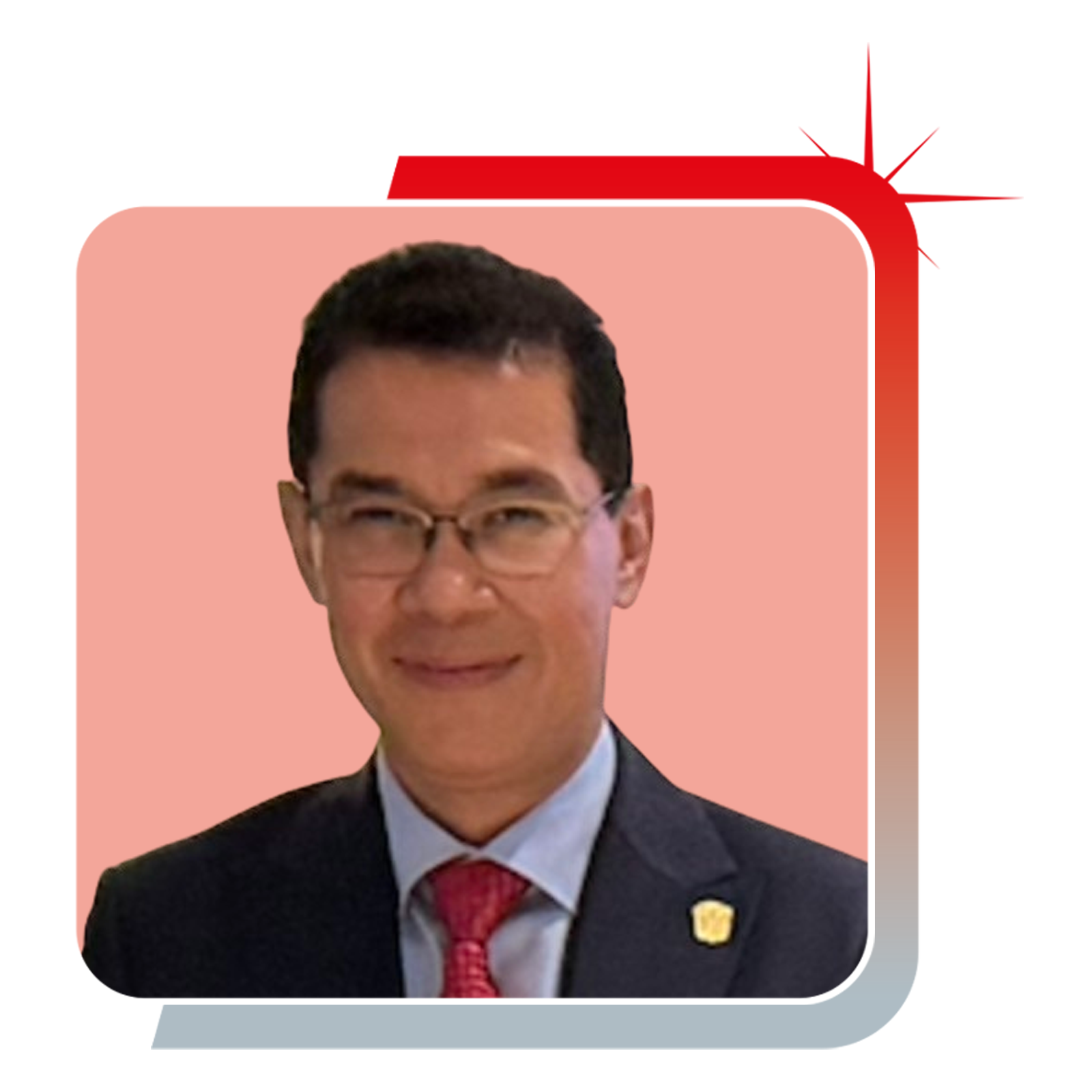 Natanael Pineda Rodriguez, Attaché, Embassy of Panama in Austria
 Natanael Pineda Rodríguez is a Panamanian diplomat and legal professional with over 20 years of experience in international law, taxation, corporate law, and international affairs. Currently serving as Commercial and Legal Attaché at the Embassy and Permanent Mission of Panama in Vienna, representing Panama in various international organizations, including COPUOS, UNOOSA, and UNCITRAL since 2023. Incoming Chair of the Legal Subcommittee of the United Nations Committee on the Peaceful Uses of Outer Space (COPUOS) for 2027. Academic background includes a Law Degree with an emphasis on International Law from the Peoples’ Friendship University of Russia, a Master’s Degree in Taxation from the Universidad Especializada del Contador Público Autorizado de Panamá, and an LL.M. in International Tax Law from the Vienna University of Economics and Business (WU Vienna). Currently pursuing doctoral studies.
Attaché
Embassy of Panama in Austria
 Sam Bay, Founder & Head of Planetary Intelligence, AstraSense
 Sam Bay is a technology entrepreneur working at the intersection of artificial intelligence, scientific computing and planetary intelligence.
As Founder of AstraSense, he is developing approaches to transforming Earth observation and heterogeneous physical data into traceable, uncertainty-aware intelligence for scientific investigation and operational decision-making.
With a background in electrical engineering and Physics, AI and technology commercialisation, his work explores how scientific reasoning, physical models and persistent experience memory can help systems move beyond detecting change towards understanding its significance.
He advocates for responsible AI, scientific accountability and data sovereignty, with a long-term vision of planetary cognition extending from Earth to future exploration beyond it.
Sam Bay, Founder & Head of Planetary Intelligence
AstraSense
 Bruno Martini, Researcher, United Nations Institute for Disarmament Research (UNIDIR)
 Dr. Bruno Martini is a Researcher at the United Nations Institute for Disarmament Research (UNIDIR) Space Security Programme. He earned his PhD in Aerospace Sciences from the Brazilian Air Force University (UNIFA), where his work at the Simulations and Scenarios Laboratory (LSC) focused on strategic and aerospace foresight. Prior to joining UNIDIR, Dr. Martini served as a Fellow Researcher with US Space Force (USSF) Space Delta 13 (Education) and as a Visiting Scholar at the George Washington University’s Space Policy Institute (SPI). Originally trained as an oceanographer, he holds a master’s degree in Coastal and Oceanic Systems from the Federal University of Paraná (UFPR) and was a Visiting Fellow at the US Naval Research Laboratory (NRL) at NASA’s Stennis Space Center (SSC). His research spans space security and sustainability, strategic foresight, emerging technologies, and the non-proliferation of weapons of mass destruction.
Researcher
United Nations Institute for Disarmament Research (UNIDIR)
 Victoria Fernanda Valdivia Cerda, Lead lecturer, National Academy of Political and Strategic Studies (ANEPE), Chile
 Victoria Valdivia Cerda is a Chilean space professional with more than a decade of experience advising at the political and governmental levels. She is a political scientist, holds an MSc in International Studies from the Universidad de Santiago, and is currently pursuing her doctoral degree in International Relations. Additionally, she holds a diploma on strategic planning and defense leadership and she is a postgraduate in intelligence function, by the National Academy for Political and Strategic Studies of the Chilean Ministry of Defense.
AShe has served as a Space Policy Advisor to the Chilean Air Force, contributing to the establishment of the Space Directorate, the development of the national space doctrine, and—at the ministerial level—to the formulation of Chile’s Defence White Paper (2017) and National Defence Policy (2020).
Currently, she serves as a Senior Analyst at the General Staff of the Chilean Army and as a professor at the National Academy of Political and Strategic Studies (ANEPE) of the Chilean Ministry of Defence, where she teaches “Space Policies” and “Counterspace Analysis.”
As a researcher, she is a Global Fellow at the European Space Policy Institute (ESPI), an expert member of the International Astronautical Federation (IAF), the liaison professional at the “Panel on Potrntially Environmentally Detrimental Activities in Space” from COSPAR.
Her academic production includes more than 30 published articles and book chapters on space policy, space regulation, and outer space geopolitics. She has received several international awards and recognitions, the most recent being the 2024 GCSP Innovative Futures Prize for her research on the convergence of outer space activities and Antarctica, which led to the creation of the first global dashboard mapping space debris and its impacts on Antarctica’s protected areas.
Lead Lecturer
National Academy of Political and Strategic Studies (ANEPE), Chile
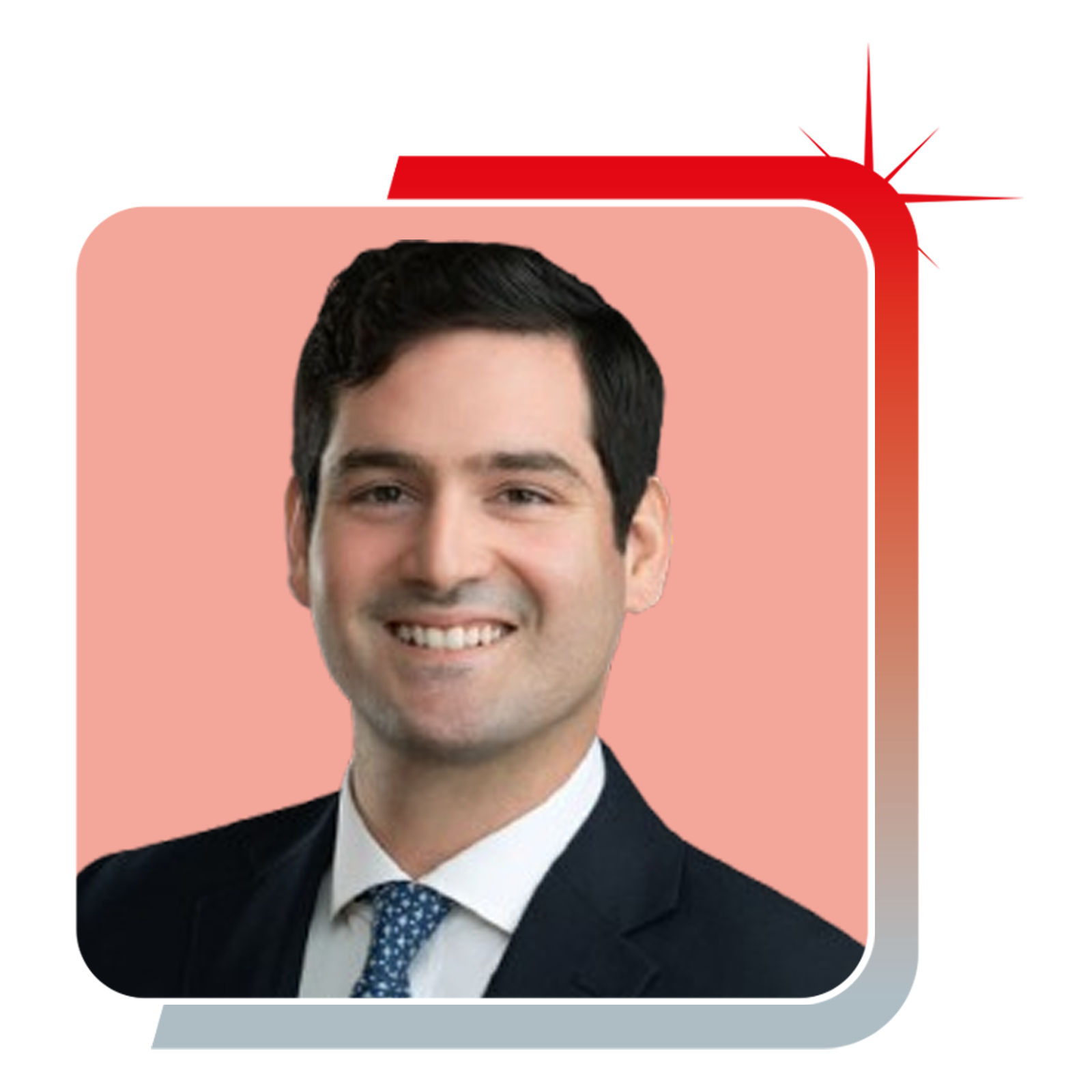 Raymond Navarro, Associate, DLA Piper
 Ray Navarro advises space, satellite, and telecommunications companies on regulatory and compliance matters before the FCC and telecommunications regulators across Latin America and the Caribbean. Fluent in Spanish, his work has particularly focused on Latin American jurisdictions, where he supports satellite companies in obtaining required authorizations and navigating complex regulatory requirements, including satellite licensing, spectrum policy, equipment certification, and compliance obligations.
Ray’s practice encompasses preparing applications for space and earth station authorizations, coordinating market entry across multiple jurisdictions, and participating in global consultations on evolving space regulatory frameworks, including issues relating to the ITU Radio Regulations governing international spectrum use.
He also advises telecommunications companies on the regulatory side of global expansion, including entity formation, foreign direct investment considerations, and associated ongoing compliance obligations.
Ray also counsels drone and unmanned aircraft systems (UAS) operators on spectrum authorization matters before the FCC, including pursuing waivers and experimental licenses, and advising on the regulatory pathways required to support operations.
Ray is originally from San Juan, Puerto Rico. He is actively involved in pro bono work and is part of DLA Piper’s Committee of Associate Representatives (CARs).
Associate
DLA Piper
Raymond Navarro, Associate, DLA Piper Ray Navarro advises space, satellite, and telecommunications companies on regulatory and compliance matters before the FCC and telecommunications regulators across Latin America and the Caribbean. Fluent in Spanish, his work has particularly focused on Latin American jurisdictions, where he supports satellite companies in obtaining required authorizations and navigating complex regulatory requirements, including satellite licensing, spectrum policy, equipment certification, and compliance obligations.
Ray’s practice encompasses preparing applications for space and earth station authorizations, coordinating market entry across multiple jurisdictions, and participating in global consultations on evolving space regulatory frameworks, including issues relating to the ITU Radio Regulations governing international spectrum use.
He also advises telecommunications companies on the regulatory side of global expansion, including entity formation, foreign direct investment considerations, and associated ongoing compliance obligations.
Ray also counsels drone and unmanned aircraft systems (UAS) operators on spectrum authorization matters before the FCC, including pursuing waivers and experimental licenses, and advising on the regulatory pathways required to support operations.
Ray is originally from San Juan, Puerto Rico. He is actively involved in pro bono work and is part of DLA Piper’s Committee of Associate Representatives (CARs).
Associate
DLA Piper
Space activity across the Americas is increasingly shaped by fragmentation. Indeed, when layered atop an expanding web of bilateral and multilateral agreements, the pace of change is considerable: the FCC’s Part 100 reforms in the US are reshaping domestic licensing and orbital debris requirements, Canada’s Bill C-28 signals a recalibration of its own regulatory approach, and Brazil’s 2024 space law has established the region’s most comprehensive legal framework to date – even while other national efforts remain stalled.
This high-level opening session brings together senior policymakers, space agency leaders, and international organisations to take stock of this shifting landscape. Panellists will examine how governance and policy are evolving across the region — where frameworks are converging, where they remain stubborn, and what that means for operators working across borders. In doing so, the session will ask if collaboration is possible, or whether we’re seeing the emergence of a two-tier regulatory environment.
As access to space becomes increasingly important to national security, economic resilience, and technological competitiveness, governments across the Americas are placing greater emphasis on strategic autonomy. While sovereign launch capability is often seen as the cornerstone of space sovereignty, true autonomy extends beyond launch to encompass manufacturing, supply chains, critical infrastructure, and the ability to develop and operate national space capabilities.
As those across the region weigh their options, this session will examine what space sovereignty means in practice, using launch as a starting point to explore the wider capabilities required to build resilient and competitive national space programmes. Panellists will discuss how governments can balance strategic autonomy with regional cooperation, commercial investment, and international partnerships.
The promise of direct-to-device (D2D) connectivity is rapidly becoming a commercial reality, but policy and regulation, not just technology, will determine how quickly and fairly it scales across the Americas. Spectrum allocation, cross-border licensing, and the pace of regulatory approval vary significantly across the region, and these differences are already shaping which markets move first and which risk being left behind.
As deployments gather pace, this fireside chat will explore the policy choices needed to scale D2D services successfully and sustainably, drawing on lessons from more developed markets. From spectrum sharing and licensing frameworks to cross-border coordination and the regulatory conditions needed to attract investment in underserved areas, the conversation will examine what governments and regulators across the region need to get right to unlock the full potential of ubiquitous connectivity.
Satellite connectivity is entering a new phase across the Americas. Driven by next-generation constellations, direct-to-device services, advances in non-terrestrial networks (NTNs), and increasing convergence with terrestrial infrastructure, satellite is becoming an integral part of the region’s connectivity ecosystem. As preparations for WRC-27 gather pace, decisions on spectrum, regulatory frameworks, and international coordination will be critical to ensuring the next generation of satellite and terrestrial networks can coexist, scale, and meet growing demand for connectivity.
This session will explore the key trends redefining connectivity across the region, examining how governments, regulators, satellite operators, mobile network operators, and technology providers can work together to deliver resilient, affordable, and ubiquitous connectivity for citizens, businesses, and critical infrastructure.
Leadership in the space domain has never mattered more. As space grows ever more central to growth, security, ambition and discovery, the United States continues to play the defining role. In this conversation, a senior representative of the Administration reflects on the priorities guiding Washington’s approach to space policy and how US leadership can help shape a secure, sustainable and prosperous future in space for the Americas and beyond.
Earth observation has become one of the most valuable applications of space technology. Providing the data and insights needed to address some of the world’s most pressing environmental, economic, and societal challenges, the region is a leader in it’s use and development.
As demand for timely, high-quality geospatial information continues to grow, this panel will explore how governments, industry, academia, and international organisations can maximise the value of Earth observation data. Discussions will examine opportunities to improve data accessibility, strengthen regional collaboration, harness advances in artificial intelligence and analytics, and ensure that space-derived information translates into better policy, stronger resilience, and sustainable economic development.
Building a competitive space economy demands sustained investment, resilient industrial capacity, and access to both public and private capital. Yet, while established markets continue to attract significant investment, many emerging space nations face challenges scaling domestic companies, developing supply chains, and building the manufacturing capabilities needed for long-term growth.
This session explores how governments and stakeholders across the value chain can build the financial and industrial foundations for a globally competitive regional space sector. Session questions will discuss investment models, manufacturing capability, and the policies required to attract capital while building strategic resilience.
The region’s commercial space sector is transforming at an unprecedented pace. From the Northwest Territories to the Southern Cone, opportunities are establishing across satellite services, launch, Earth observation, in-orbit operations, and downstream applications – positioning the region as a growing hub for commercial space activity as a result.
This panel will therefore examine the actions needed to accelerate the growth of a competitive and sustainable commercial space sector. Participants will explore how policymakers can foster innovation, unlock new commercial applications and use cases, strengthen public-private collaboration, and create an enabling regulatory environment that allows businesses to scale and compete in an increasingly competitive global market.
Space has become an openly contested domain. As work accelerates on space-based missile interceptors under the Golden Dome programme, the United States has confirmed for the first time that it has weapons in orbit. For some, this is a necessary deterrent against rivals’ counterspace capabilities; for others, a destabilising step that risks an orbital arms race and strains existing norms.
This panel will examine what an increasingly weaponised space environment means for the Americas. Speakers will consider how governments, militaries and industry can strengthen resilience and protect critical capabilities; the growing role, and exposure, of commercial operators in national security; civil-military cooperation; and whether partnerships, norms and confidence-building measures can keep pace with the technology.
13:15 – Exploration of the Chilean National Space Center (CEN) Los Cerrillos Air Base – Santiago
Space activity across the Americas is increasingly shaped by fragmentation. Indeed, when layered atop an expanding web of bilateral and multilateral agreements, the pace of change is considerable: the FCC’s Part 100 reforms in the US are reshaping domestic licensing and orbital debris requirements, Canada’s Bill C-28 signals a recalibration of its own regulatory approach, and Brazil’s 2024 space law has established the region’s most comprehensive legal framework to date – even while other national efforts remain stalled.
This high-level opening session brings together senior policymakers, space agency leaders, and international organisations to take stock of this shifting landscape. Panellists will examine how governance and policy are evolving across the region — where frameworks are converging, where they remain stubborn, and what that means for operators working across borders. In doing so, the session will ask if collaboration is possible, or whether we’re seeing the emergence of a two-tier regulatory environment.
As access to space becomes increasingly important to national security, economic resilience, and technological competitiveness, governments across the Americas are placing greater emphasis on strategic autonomy. While sovereign launch capability is often seen as the cornerstone of space sovereignty, true autonomy extends beyond launch to encompass manufacturing, supply chains, critical infrastructure, and the ability to develop and operate national space capabilities.
As those across the region weigh their options, this session will examine what space sovereignty means in practice, using launch as a starting point to explore the wider capabilities required to build resilient and competitive national space programmes. Panellists will discuss how governments can balance strategic autonomy with regional cooperation, commercial investment, and international partnerships.
The promise of direct-to-device (D2D) connectivity is rapidly becoming a commercial reality, but policy and regulation, not just technology, will determine how quickly and fairly it scales across the Americas. Spectrum allocation, cross-border licensing, and the pace of regulatory approval vary significantly across the region, and these differences are already shaping which markets move first and which risk being left behind.
As deployments gather pace, this fireside chat will explore the policy choices needed to scale D2D services successfully and sustainably, drawing on lessons from more developed markets. From spectrum sharing and licensing frameworks to cross-border coordination and the regulatory conditions needed to attract investment in underserved areas, the conversation will examine what governments and regulators across the region need to get right to unlock the full potential of ubiquitous connectivity.
Satellite connectivity is entering a new phase across the Americas. Driven by next-generation constellations, direct-to-device services, advances in non-terrestrial networks (NTNs), and increasing convergence with terrestrial infrastructure, satellite is becoming an integral part of the region’s connectivity ecosystem. As preparations for WRC-27 gather pace, decisions on spectrum, regulatory frameworks, and international coordination will be critical to ensuring the next generation of satellite and terrestrial networks can coexist, scale, and meet growing demand for connectivity.
This session will explore the key trends redefining connectivity across the region, examining how governments, regulators, satellite operators, mobile network operators, and technology providers can work together to deliver resilient, affordable, and ubiquitous connectivity for citizens, businesses, and critical infrastructure.
Leadership in the space domain has never mattered more. As space grows ever more central to growth, security, ambition and discovery, the United States continues to play the defining role. In this conversation, a senior representative of the Administration reflects on the priorities guiding Washington’s approach to space policy and how US leadership can help shape a secure, sustainable and prosperous future in space for the Americas and beyond.
Earth observation has become one of the most valuable applications of space technology. Providing the data and insights needed to address some of the world’s most pressing environmental, economic, and societal challenges, the region is a leader in it’s use and development.
As demand for timely, high-quality geospatial information continues to grow, this panel will explore how governments, industry, academia, and international organisations can maximise the value of Earth observation data. Discussions will examine opportunities to improve data accessibility, strengthen regional collaboration, harness advances in artificial intelligence and analytics, and ensure that space-derived information translates into better policy, stronger resilience, and sustainable economic development.
Building a competitive space economy demands sustained investment, resilient industrial capacity, and access to both public and private capital. Yet, while established markets continue to attract significant investment, many emerging space nations face challenges scaling domestic companies, developing supply chains, and building the manufacturing capabilities needed for long-term growth.
This session explores how governments and stakeholders across the value chain can build the financial and industrial foundations for a globally competitive regional space sector. Session questions will discuss investment models, manufacturing capability, and the policies required to attract capital while building strategic resilience.
The region’s commercial space sector is transforming at an unprecedented pace. From the Northwest Territories to the Southern Cone, opportunities are establishing across satellite services, launch, Earth observation, in-orbit operations, and downstream applications – positioning the region as a growing hub for commercial space activity as a result.
This panel will therefore examine the actions needed to accelerate the growth of a competitive and sustainable commercial space sector. Participants will explore how policymakers can foster innovation, unlock new commercial applications and use cases, strengthen public-private collaboration, and create an enabling regulatory environment that allows businesses to scale and compete in an increasingly competitive global market.
Space has become an openly contested domain. As work accelerates on space-based missile interceptors under the Golden Dome programme, the United States has confirmed for the first time that it has weapons in orbit. For some, this is a necessary deterrent against rivals’ counterspace capabilities; for others, a destabilising step that risks an orbital arms race and strains existing norms.
This panel will examine what an increasingly weaponised space environment means for the Americas. Speakers will consider how governments, militaries and industry can strengthen resilience and protect critical capabilities; the growing role, and exposure, of commercial operators in national security; civil-military cooperation; and whether partnerships, norms and confidence-building measures can keep pace with the technology.
13:15 – Exploration of the Chilean National Space Center (CEN) Los Cerrillos Air Base – Santiago


Forum Global specializes in policy focused conferences and events, providing a platform for discussion and debate on topical issues across a variety of different sectors. These events are organized with clients and partners and aim to progress ideas and actions on important issues, all within a balanced and neutral setting.Forum Global is the international arm of Forum Europe, which was founded by Giles Merritt, columnist for the International Herald Tribune, and is widely recognized as the leading EU dedicated event provider.Headed by a team of events specialists with over 19 years of experience, Forum Global works successfully with businesses, institutions and governments alike. Its strategic services can maintain and develop your key policy networks, and also deliver forums where key issues can be aired and debated.

AstraSense | From Earth Observation to Planetary Intelligence
AstraSense is developing a sovereign scientific intelligence platform that brings together Earth observation, physical-world data, scientific models and AI to advance our understanding of planetary change.
Combining spatial and temporal intelligence, evidence-based reasoning and persistent scientific memory, AstraSense explores how observations can become trustworthy understanding and better-informed decisions.
Beginning with Earth and looking towards the Moon and Mars, its vision extends beyond traditional observation to planetary intelligence.
Through immersive experiences, including a Magic Leap 2 augmented-reality demonstration in development, AstraSense aims to make scientific evidence and planetary exploration more accessible, interactive and engaging.


We believe great businesses can make a better world. Forward-thinking, innovative organizations can find the answers to today’s most difficult questions. That’s why, every day, we help them succeed.
Our bold and dynamic culture means we think big and act decisively. Because relationships are at the heart of everything we do for our clients and communities.


GSOA is a non-profit organisation established with the objective of serving and promoting the common interests of satellite operators from Europe, the Middle East, Africa and the CIS. The Association today represents the interests of 21 satellite operators who deliver information communication services across the globe. Together ESOA Members provide invaluable communications services to the whole world including emergency communications, live broadcasting, maritime and aero communications, secure services for governments, 24-7 monitoring of industrial processes such as energy plants and a whole range of other communications capabilities that society has come to rely on.


HispaSat is the leading Spanish operator of satellite and secure communications services. It is part of the European consortium developing IRIS², the European constellation that will transform space into critical infrastructure for digital sovereignty and communication resilience, while ensuring the European Union’s strategic autonomy.
The company is committed to helping citizens bridge the digital divide by bringing internet connectivity to remote areas. Through its subsidiaries in Spain and Latin America, it leads the broadcasting and distribution of audiovisual content in Spanish and Portuguese. These activities position it as one of the world’s top companies in the sector by revenue.


Por una Cultura Espacial en Chile
La Asociación Chilena del Espacio, ACHIDE, articula el ecosistema espacial en Chile. Nuestra misión es la promoción, protección y difusión de las actividades vinculadas al Espacio y al desarrollo de toda clase de actividades satelitales, velando por la correcta aplicación y perfeccionamiento de las políticas públicas y privadas en materia espacial y especialmente incentivar el estudio y el uso de la Ciencia y Tecnología Espacial en beneficio de un desarrollo sostenible de la humanidad.


SGAC is a global non-governmental, non-profit organisation and network which aims to represent university students and young space professionals ages 18-35 to the United Nations, space agencies, industry, and
academia.
Conceived at the Third United Nations Conference on the Exploration and Peaceful Uses of Outer Space (UNISPACE III) in Vienna in 1999.
“ To create, within the framework of the Committee on the Peaceful Uses of Outer Space, a consultative mechanism to facilitate the continued participation of young people from all
over the world, especially young people from developing countries and young women, in cooperative space-related activities […] ”
We have various speaking, sponsor and wider visibility opportunities available at the event. Should you be interested in becoming involved at the Americas Space Forum please contact Sam Ling on [email protected]


Position your organisation in front of a highly engaged community of space policy professionals. Showcase your expertise, strengthen your visibility, and build recognition among the organisations and individuals driving the sector forward.
This event builds on the successful format of The European Space Forum, bringing together leading policymakers, regulators, and industry stakeholders from across the region.
Discover below how the European edition has become a benchmark for space policy dialogue, and how this new edition aims to extend that success by creating a key platform for forward-looking, impactful discussion in the Americas.

Economic Commission for Latin America and the Caribbean (ECLAC)
Av. Dag Hammarskjöld 3477, Vitacura, Santiago de Chile
Note: Accommodation has not been booked. Hotel availability and rates are subject to change. Preferential rates have been secured and are listed below.
Address: Av. Nueva Costanera 3736, 7630428 Vitacura, Región Metropolitana, Chile
Distance from Event Venue: 14 minutes walk (See distance in Google Maps)
Preferential Rates:
Inclusive of breakfast & WiFi.
Booking process to use Forum Global’s preferential rate:
For more information about this hotel, please visit their website here.
Address: Av Vitacura 3600, 8320000 Santiago, Vitacura, Región Metropolitana, Chile
Distance from Event Venue: 13 minutes walk (See distance in Google Maps)
Preferential Rates:
Inclusive of breakfast & WiFi.
Booking process to use Forum Global’s preferential rate: process:
For more information about this hotel, please visit their website here.
Address: Av Vitacura 3201, 7630578 Vitacura, Región Metropolitana, Chile
Distance from Event Venue: 13 minutes walk (See distance in Google Maps)
Preferential Rates:
Inclusive of breakfast & WiFi.
Booking process to use Forum Global’s preferential rate:
For more information about this hotel, please visit their website here.
Sign up to receive updates on our upcoming policy events.